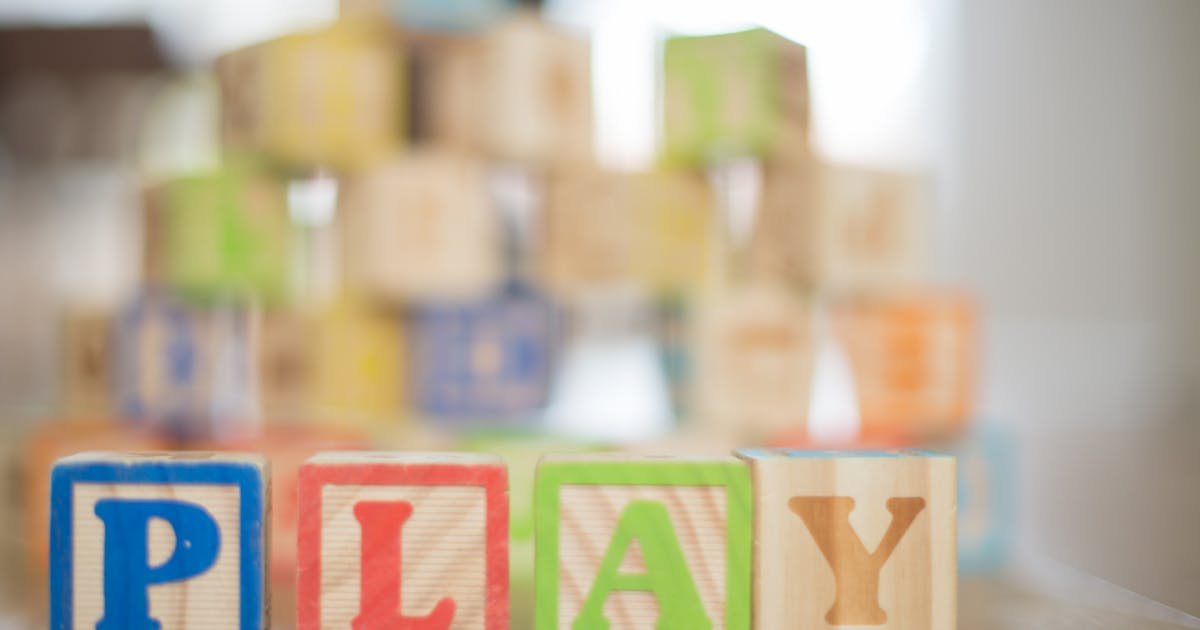
Photo by ClickerHappy / Pexels
How to Teach English to Preschoolers: A Parent's Guide
Your child is three or four years old, and you want them to start learning English. Maybe you speak another language at home. Maybe you want to give them a head start before school. Either way, you're wondering: is it too early? How do I even begin?
The short answer: it's almost never too early, but how you do it matters more than when you start. Here's what the research says works.
When to start
Children's brains are wired for language from birth. Between ages 2 and 7, they're in what researchers call a "sensitive period for language", when absorbing the sounds and patterns of a language comes most easily. Starting English exposure during this window won't guarantee fluency, but it helps with pronunciation and natural comprehension.
That said, starting at age 3, 5, or even 7 is fine. The sensitive period isn't a cliff edge. What matters most is that your child connects English with good experiences instead of pressure.
Input before output
Linguist Stephen Krashen argued that we acquire language by understanding messages, not by practicing grammar rules or memorizing word lists. He called this "comprehensible input": language that's slightly above the learner's current level but still understandable from context. It remains one of the most influential ideas in language teaching. For a deeper look at the neuroscience, see how children's brains learn language.
For preschoolers, this means you don't need to push them to speak English. Your job is to surround them with English they can understand. A cartoon character holding up an apple and saying "apple" is comprehensible input. Drilling a child on translating words from a list is not.
For the first few months, focus on English going in, in ways the child can make sense of. The words coming out can wait.
Don't worry if your child goes through a "silent period" where they seem to understand English but won't produce it. This is completely normal and can last weeks or months. They're building an internal model of the language. The output will come when they're ready.
Consistency over intensity
Ten minutes of English every day beats an hour once a week. Here's a sample daily English routine you can try. Young children learn by hearing English often and in relaxed settings, far more than from concentrated study sessions.
Build English into your daily routine rather than creating a separate "English time" that feels like a lesson:
- An English song during breakfast
- A short English cartoon after lunch
- A bedtime story in English once or twice a week
- A 10-minute game on an English learning app
What matters is that it feels natural and optional. Once English becomes homework, you risk building a resistance that takes a long time to wear off.
Songs, games, and stories
Preschoolers learn best this way, and you can see it for yourself by watching them for an afternoon.
Songs help memory more than most parents expect. A child who can't recall individual words can often sing an entire song perfectly. Nursery rhymes like "Head, Shoulders, Knees and Toes" pair vocabulary with movement, which gives each word more than one hook in memory. For a starter list of words to target, see our first 100 English words for kids. They don't need to understand every word. The rhythm and repetition do the work.
Games motivate without pressure. When a child is busy matching pictures or popping bubbles, the English words are simply a means to an end. The worry about "getting it right" fades, and the learning happens in the background. The best games teach through context rather than translation: the child works out what a word means by seeing it and using it.
And picture books are underrated. A story about a dog who gets lost gives your child dozens of vocabulary words inside something they actually want to follow. Read the same book again and again. Children are perfectly happy hearing the same story twenty times, and they understand a little more each time.
Age-by-age activities for preschoolers learning English
Ages 2–3: Pure input, no pressure
At this age, language acquisition is entirely receptive. Think of yourself as a source of English more than a teacher of it. Focus on:
- Labeling everything. Point to objects and say their names in English during daily routines: "cup," "door," "window," "red." Don't quiz them. Just let them hear the words.
- English songs with actions. "Head, Shoulders, Knees and Toes," "If You're Happy and You Know It," "The Wheels on the Bus." Melody and movement together create memory anchors that last for years.
- Short picture books. "Brown Bear, Brown Bear," "The Very Hungry Caterpillar," "Goodnight Moon." Reading the same book ten times is better than reading ten books once.
- Brief English cartoons. "Peppa Pig," "Bluey," and "Sesame Street" are all effective for this age. 10–15 minutes of co-viewing with simple commentary ("Look, a pig!") multiplies the benefit.
Ages 3–4: First words, first sentences
Now children are starting to produce language. They may surprise you with words they picked up without explicit teaching. Support this stage with:
- Interactive games. Matching pictures, sorting by color, simple memory games in English. The best English apps for 3-4 year olds are built around exactly this idea.
- Simple narration of play. As your child plays, narrate in English: "You're building a tower. The tower is very tall. Oh no, it fell down!" This models English in context without requiring any response.
- Extend their attempts. If your child says "dog big," respond naturally in English: "Yes, that's a very big dog! What colour is it?" You're modelling correct structure without correcting.
Ages 4–5: Structure and play
Attention span is longer. Children can handle slightly more structured activities, but play should still come first:
- Simple role play. "You're the shopkeeper, I'm the customer." Even basic role play in English gives them phrases they can use in real conversations.
- Story retelling. After reading a picture book, ask simple questions: "What happened first?" "Who was sad?" This works on understanding and speaking at the same time.
- English board games. Snakes and Ladders with English number practice, or card games with colour and animal vocabulary work well at this age.
A sample 15-minute English session for preschoolers
You don't need a lesson plan to teach English to preschoolers. But if you want a structure to start from, this 15-minute format works well for children ages 3–5:
- Opening song (2–3 min): Start with the same song each session. Ritual reduces anxiety and signals "English time" without making it feel like school. "Hello Song" is a good starting choice.
- Vocabulary game (5–6 min): Use an app, picture cards, or a simple matching game. Keep to 5–8 words maximum. Focus on the same vocabulary for at least a week before introducing new words.
- Story (4–5 min): A short picture book or a segment of an English cartoon. Point at pictures while reading. Pause and let your child predict ("What do you think happens next?").
- Closing ritual (1–2 min): End the same way each time. "Goodbye song," a high-five, or a simple English phrase like "See you tomorrow!" Doing it the same way each time makes the session feel safe.
Total: 12–16 minutes. Done every day, that comes to roughly 70–100 hours of English a year. Cambridge English estimates about 90–100 guided learning hours to reach A1, so early A1 is a realistic goal within one to two years. Treat that as a rough guide: the estimate comes from guided study, and preschoolers move at their own, uneven pace.
Managing screen time
Most guidelines recommend limiting screen time for children under 5 to one hour per day. This is reasonable, but what matters more than total time is the quality of what's on the screen.
A learning game where your child drags and matches things and answers back is closer to play than to "screen time" as most people mean it. There's a real difference between that and passively watching videos.
That said, screens should be one part of the mix. Books and songs matter too, and so do conversation and physical play. In Small Universe (one of the best English apps for 3-4 year olds), a lesson takes a few minutes, so a 10 to 15 minute session covers a few lessons. For more on what the evidence says, read our summary of screen time research for language learning.
What to avoid
A few common mistakes that well-meaning parents make:
- Correcting every mistake. When your child says "I goed to the park," resist the urge to correct. Instead, model the right form naturally: "You went to the park? That sounds fun!" Constant correction teaches children that speaking English is risky.
- Testing them. Asking "What's this in English?" turns every moment into a quiz. Better to label things yourself: "Look at that big red bus!" Let them absorb without demanding they perform.
- Comparing with other children. Every child's timeline is different. Some produce words quickly; others listen for months before speaking. Both are normal.
- Overdoing it. If your child resists or seems stressed, pull back. A week off won't undo their progress, but forcing it can create negative associations with the language that are hard to undo.
The bottom line
You don't need a curriculum, a tutor or perfect pronunciation. What you need is to keep at it every day, and to accept that the process will be slow and messy. Surround your child with English they can enjoy and understand. The learning is happening even when you can't see it yet.
Sources
This guide draws on the following research and reference works. It is written by Paul B.
- Krashen, S. D. (1982). Principles and Practice in Second Language Acquisition. Pergamon Press.
- Piaget, J. (1952). The Origins of Intelligence in Children. International Universities Press.
- Tomasello, M. (2003). Constructing a Language: A Usage-Based Theory of Language Acquisition. Harvard University Press.
- American Academy of Pediatrics (2016). Media and Young Minds. Pediatrics, 138(5).
- Council of Europe (2020). CEFR Companion Volume (Pre-A1 descriptors).
Frequently asked questions
What's the best way to teach English to a 3-year-old?
Comprehensible input: surround them with English they can understand from context. Songs with actions, picture books with clear illustrations, short cartoons with native speakers, and interactive games that label vocabulary visually. Don't push them to speak. Give them chances to hear English in situations they enjoy.
Should I speak to my preschooler in English at home if I'm not a native speaker?
Yes. Your accent doesn't matter nearly as much as the input itself. Your child is building phonological awareness and vocabulary, and nobody is grading their pronunciation. Speaking English imperfectly is far better than not speaking it at all. And well-produced media (cartoons, songs) supplements the native-speaker exposure.
My child goes silent when I try to do English. What do I do?
Stop directing it at them. The silent period is normal and can last months. Instead of asking them to respond, just use English around them: narrate play, sing songs, describe what you see. Take away the pressure to perform completely. They'll start producing English on their own once they feel safe.
How much English is enough for a preschooler to make progress?
10–15 minutes per day, consistently. At that rate, a child builds up roughly 60–90 hours of exposure per year. Cambridge English estimates about 90–100 guided learning hours to reach A1, so if the input is comprehensible and enjoyable, early A1 is a realistic goal within one to two years. At this age, doing a little every day matters far more than doing a lot at once.
Related Articles
- 7 Best English Learning Games for Kids in 2026: the best apps and games for learning English, reviewed.
- CEFR Levels for Kids Explained: what Pre-A1, A1, and A2 mean for your child's English level.
- When Should Kids Start Learning English?: what the brain science says about the optimal window.
- The 15-Minute Daily English Routine for Kids: a practical daily structure you can start tomorrow.
Try Small Universe
17 game types and 7 planets, with no ads. Your child learns English by exploring space.
Play free, no account needed